While over the past year I have been fortunate to attend events and dinners featuring VCs, PG, founders running unicorns, and the current hot breakouts in Milan, I think the simplicity and raw intelligence with which Cory Levy conveyed his thoughts/learnings/expertise in an utterly digestible manner have stood out to me the most. Here are a few notes from the chat, in places, followed by my own thoughts.
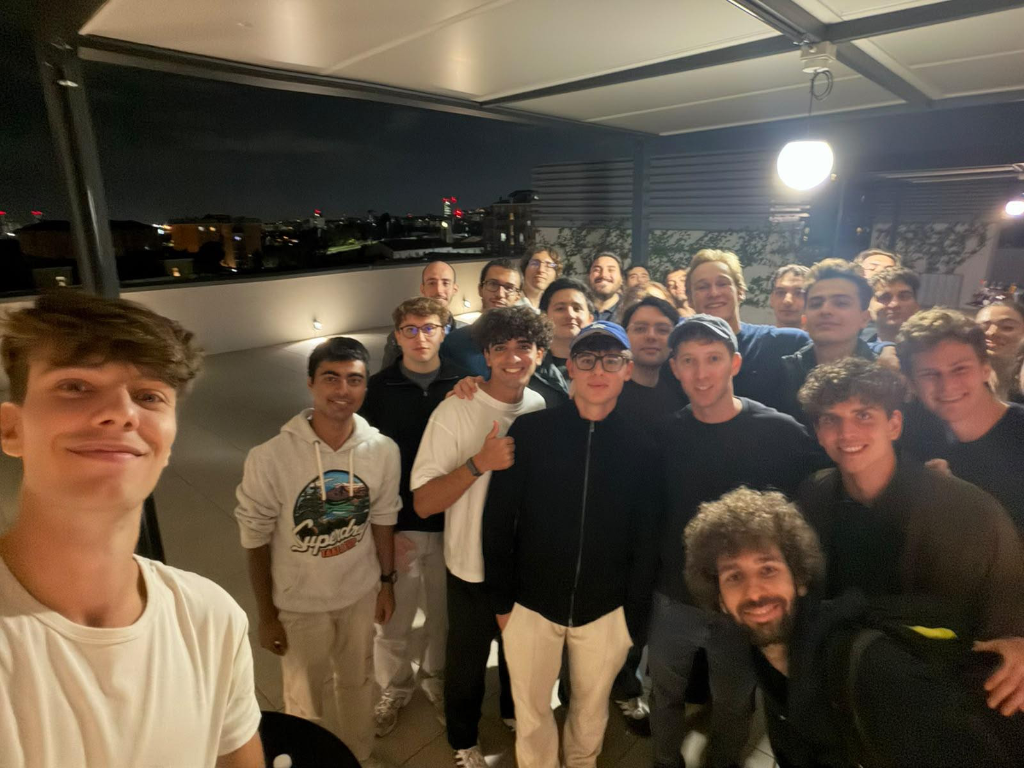
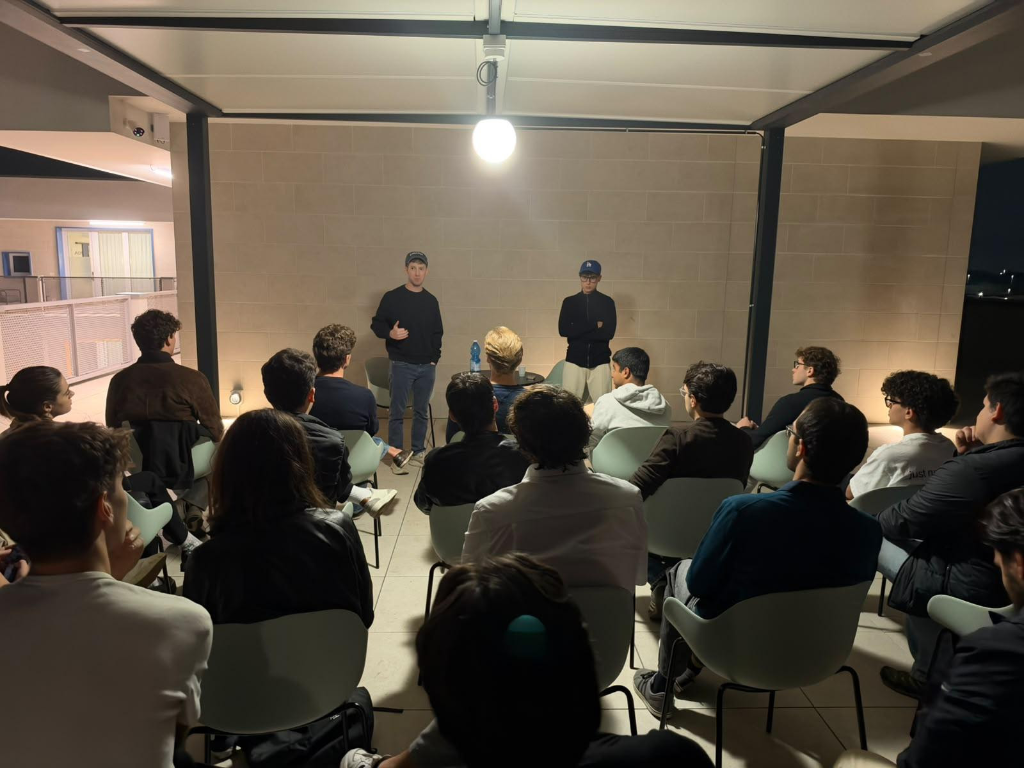
-
Chase substance over status. The idea remains pretty universal but is often overlooked, and people have a hard time really thinking it through.
Something I want to remind myself of more often.
-
On technological stagnation: Cory believes the technological stagnation we've seen since roughly the 1970s is no longer the case. Progress in AI has weakened that narrative.
While there is truth in the statement, I think much of the world beyond bits remains stagnant. We have made progress in software, which government has minimal control over, but not nearly as much in the physical world. One reason is heavy government regulation (besides cultural decline, decadence, and pessimism), which continues to prevent progress that could otherwise happen in transportation (maybe supersonic travel), longevity (immortality drugs), energy (cheaper alternative energies), biological sciences, space, and marine technology.
-
There aren't infinite opportunities, and there isn't infinite time. Opportunities are finite, and so is the time left to capture them. Move fast or wait for the next wave.
-
The kids are coming for all of you. The cost of building things has fallen, and the know-how needed to actually get shit done is now accessible, so even high schoolers and middle schoolers are building impressive things that would have previously required a lot of skill and maybe pedigree.
Everyone knows how to get six-packs. You might know it, but you would still choose to feast on an Italian pizza.
Going forward, people starting at an extremely young age will be even more common. And we should be building with much more intensity and velocity.
-
All people who do great things are somewhat different.
But what connects them is that, at some point, they fall in love with and marry the problem they are solving. Quite often, to their surprise, it's something they never initially thought they'd love.
It's like picking up a sport or learning an instrument. You don't start playing thinking you'll dedicate your entire life to it. You start, and somewhere along the way you become obsessed.
So keep tinkering and building stuff with cool people. That's the only way to get to something you can't stop thinking about. And once you love something enough to keep going through anything, it becomes incredibly hard for anyone to beat you. So good luck competing with people like that.
-
Great communities, bands, mafias, or cults don't begin by trying to build a community. They don't start with someone saying, "Let's build a community."
A musician starts by making the music, and then a community forms around it. So, the act comes first.
-
The "don't drop out of college or high school to start a company" advice (from some investors) is a cap.
It's also ironic when the same people giving this advice would happily rush to back outliers who drop out. Not everyone should drop out, and it's not for everyone. It depends on what you are learning in college and how, structurally, it is helping you on your journey.
-
Some of the best ideas are unpopular at first. The things that become huge look ridiculous, or extremely unlikely to succeed when they first appear. Polymarket is one example. At one point, its chances of survival seemed almost nonexistent, less than 1%.
You get rewarded, in plenty, in life for pursuing these kinds of asymmetric opportunities.
What matters is having enough conviction to keep working on it. But there's always a fine line and tension. Scott Wu's Lunchclub wasn't a major success, just like Sam Altman's Loopt wasn't. Would they spend 6-7 years working on them today? Probably not.
They would go after the biggest opportunities like Cognition and OpenAI.
-
Generalist or specialist: Post SI, there's no one right answer.
It depends on what comes naturally to you. If you're working on deep tech, you probably want subject matter expertise. But people with complementary skills can come together and do great stuff.
Think for yourself instead of following a universal rule about what kind of person you should become.
-
Be resourceful and use weird and creative ways to reach out to people you want to work with. Try to be as friendly and genuine as possible.
There are many ways to get someone's attention besides sending a cold email that sounds like the other 500 they get hit up with.
At the end of the day, you can only try, and if you are trying, try to stand out.
-
The future of certain verticals, like invasive BCIs, edtech, and completely autonomous businesses, and what the market and adoption will look like, remains blurry.
-
Seek mentorship, but don't treat it as a zero-sum game. Learn from the other person, but also think of ways you could add value to their life.
And that's also how great communities should work. People should help each other, collaborate, lift each other when things aren't going well, and push each other to do great things.